A cup is five different volumes. Nobody tells you which one.
Applies to 6 countries: Australia, Canada, Japan, New Zealand, the United Kingdom and the United States
Depending on who wrote your recipe, one cup is 200, 236.59, 240, 250 or 284.13 mL. The largest is 42% bigger than the smallest. Most converters pick one of those, show you a number to five decimal places, and never mention that they chose.
Key takeaways
- Five cup standards are in current use, from 200 mL in Japan to 284.13 mL under old British imperial.
- The Australian cup is 5.7% bigger than the American one. Enough to matter in baking, small enough that nothing looks wrong until it comes out of the oven.
- Australia is the only country with a 20 mL tablespoon. Everywhere else uses 15.
- "1 cup = 16 tablespoons" is false in Australia. A metric cup holds 12.5 Australian tablespoons, so following the American rule leaves you 28% over.
- The teaspoon is the one thing everyone agrees on. 5 mL, near enough, worldwide.
The five cups, and who defines each one
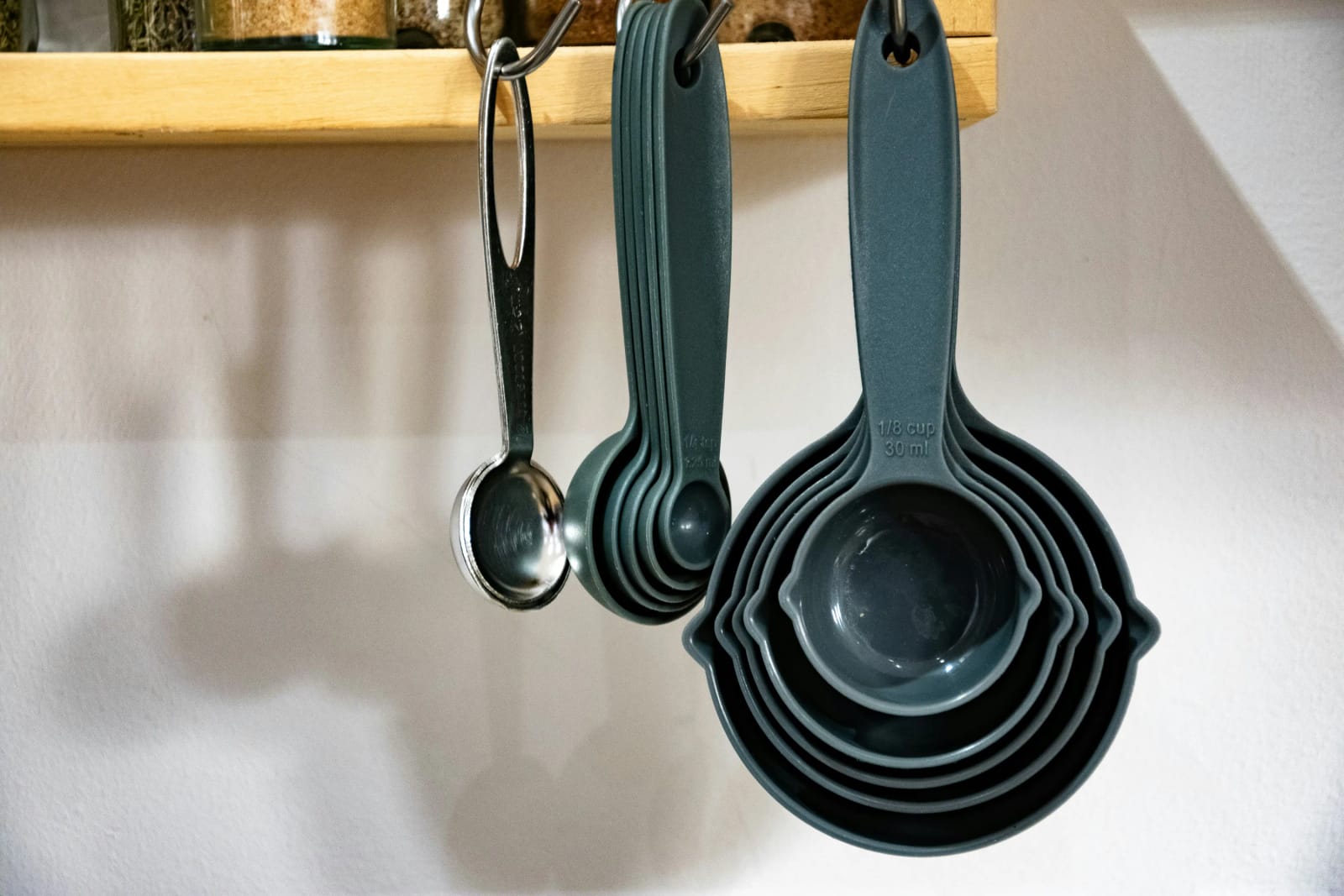
The word cup is not one unit. It is five, each written into a different instrument, and all five are in use today.
| Standard | Volume | Where it applies |
|---|---|---|
| Japanese cup | 200 mL | Japan |
| US customary | 236.59 mL | American recipes |
| US nutrition labelling | 240 mL | 21 CFR 101.9 |
| Metric cup | 250 mL | Australia, New Zealand, Canada |
| Imperial cup | 284.13 mL | Older British recipes |
The US customary cup is one sixteenth of a US gallon, which is 231 cubic inches exactly. The imperial cup is half an imperial pint of 568.26125 mL. The metric cup is defined in the Australian standard AS 1325.
Bars scaled against a 300 mL axis.
Two of those five sit within four millilitres of each other, which is why almost nobody notices the problem exists. The US customary cup and the labelling cup differ by 1.4%, and no cake has ever failed because of that.
The gap that bites is between American and metric. A US cup is 236.59 mL and a metric cup is 250. That is 5.7%, and it compounds. A recipe using four cups of flour lands you 54 mL out, which is most of a quarter cup.
Australia's tablespoon is the real trap
The cup varies by a few percent. The tablespoon varies by a third.
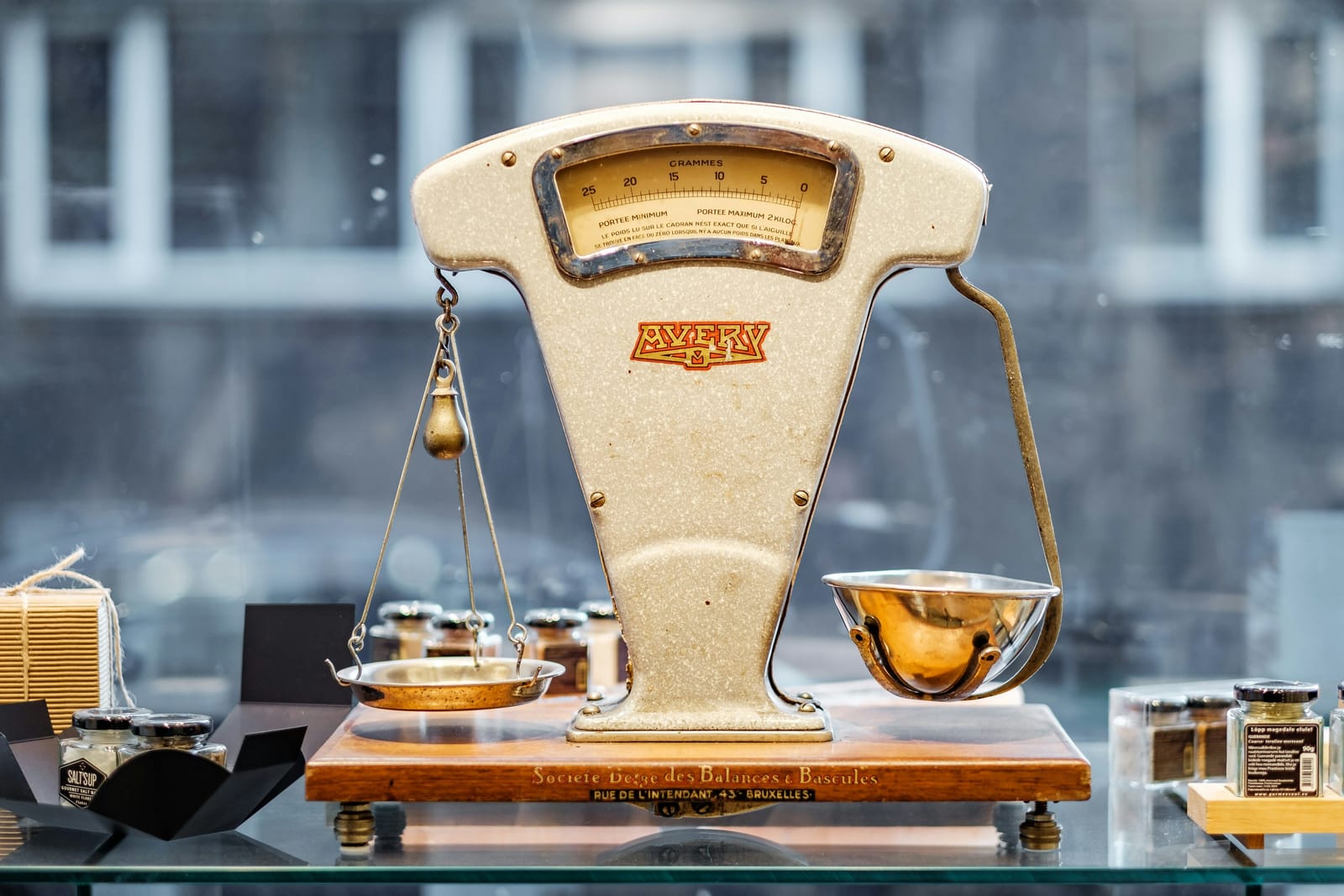
Almost every country uses a 15 mL tablespoon. The American one is 14.79 mL, which is half a US fluid ounce, and the difference from 15 is too small to measure with a spoon. Australia went to 20 mL when it metricated, giving a tidy four to one ratio against the 5 mL teaspoon.
Australia is alone in that. Not one other country followed, and the spoons look identical in the drawer.
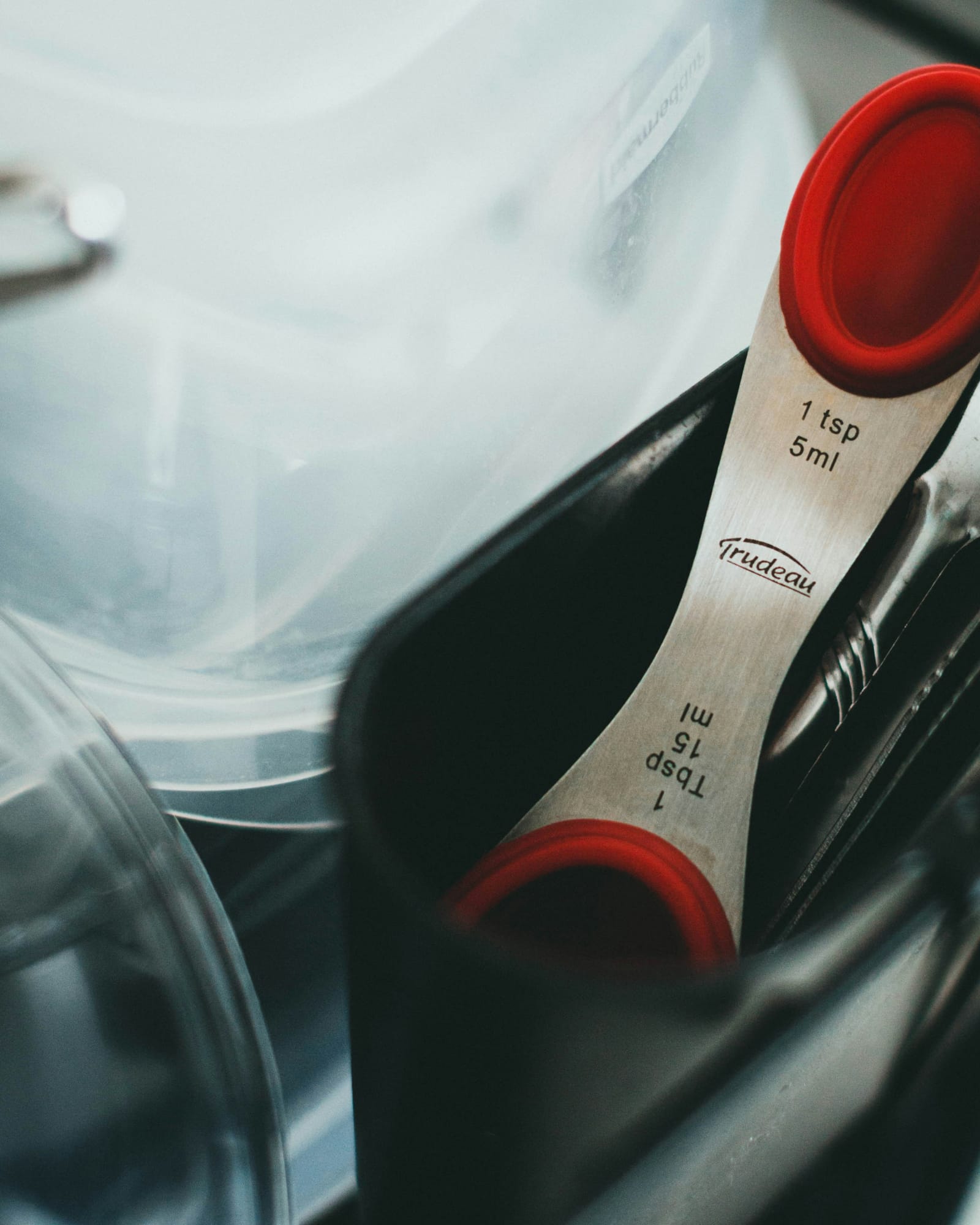
The teaspoon, oddly, is the one place the world agrees. Five millilitres in Australia, the United Kingdom and on American nutrition labels. The US customary teaspoon is 4.93 mL, and nobody has ever noticed the difference outside a laboratory.
What to do about it
Work out where the recipe came from. A .com food blog is almost certainly American, so use 236.59 mL. An Australian, New Zealand or Canadian source means 250. A British cookbook from before the 1970s may well mean 284.
Never convert a cup count into a tablespoon count across countries. That is the step where the 28% error enters, and it enters silently.
For baking, weigh it. This is the real answer and every serious baker gives it. A gram is a gram in every kitchen on earth, and it removes the whole problem in one move.
It also removes a second problem nobody mentions. A cup of flour is not a fixed weight. Scoop it straight from the bag and you compact it. Spoon it in and level it off and you get noticeably less. The measuring standard is only half the variation in a cup of flour.
Common questions
- How many mL is a cup?
- Between 200 and 284.13, depending on the recipe's origin. The two you will meet most often are 236.59 mL in the United States and 250 mL in Australia, New Zealand and Canada.
- Is an Australian cup the same as an American cup?
- No. The Australian metric cup is 250 mL against the American 236.59, so it is 5.7% larger.
- Is 1 cup always 16 tablespoons?
- Only in the United States. In Australia a cup is 12.5 tablespoons, because the Australian tablespoon is 20 mL rather than 15.
- Does the teaspoon change too?
- Not meaningfully. It is 5 mL almost everywhere, and the US customary 4.93 mL is close enough that no recipe depends on it.
Mojo takeaway
The cup is not a unit, it is five units wearing the same name, and the tablespoon is worse because Australia stands alone at 20 mL. Nothing in your kitchen will tell you which one a recipe meant. Work out where it was written, and for anything that has to rise, put it on a scale instead.
Convert between every cup and spoon standard